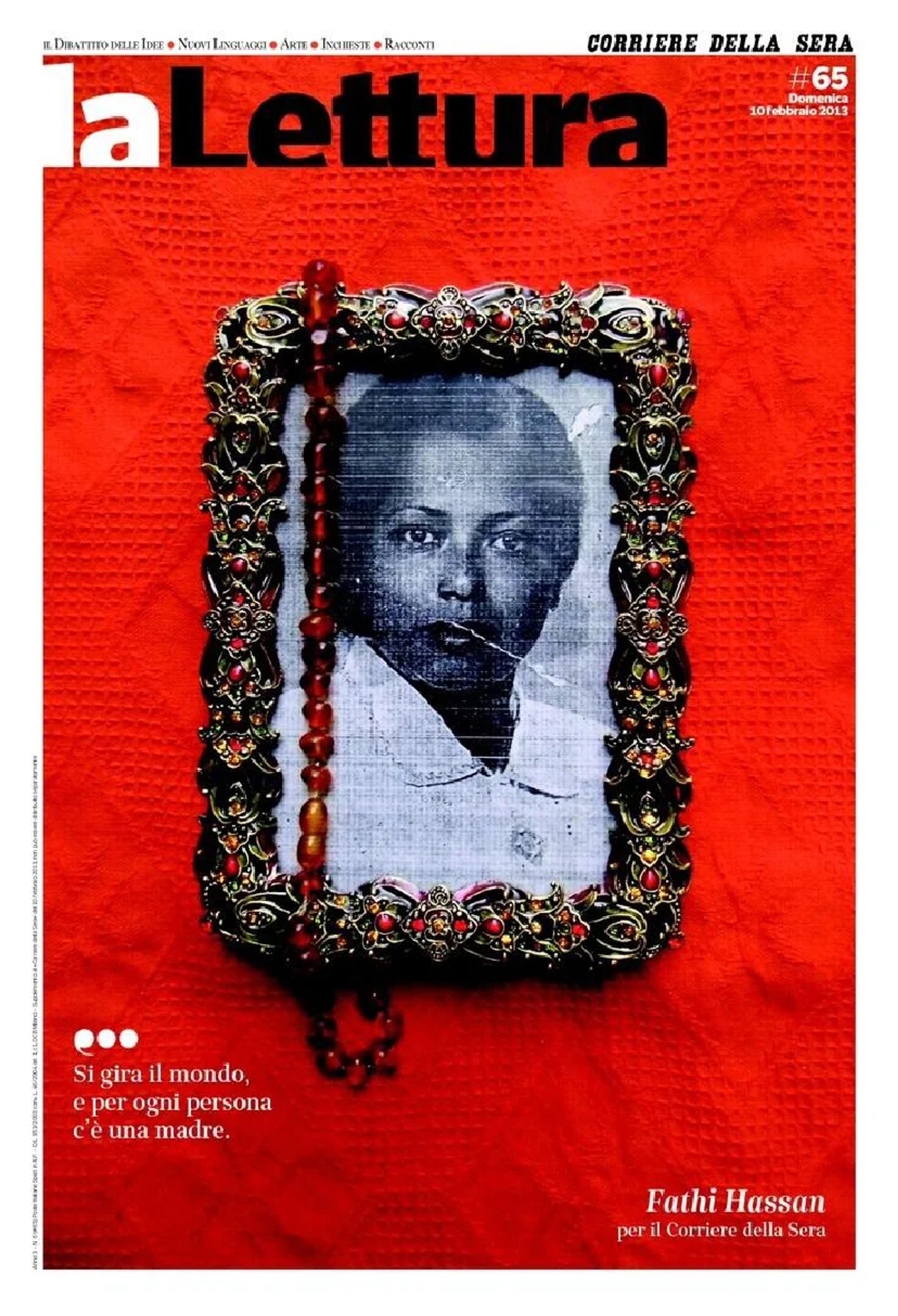
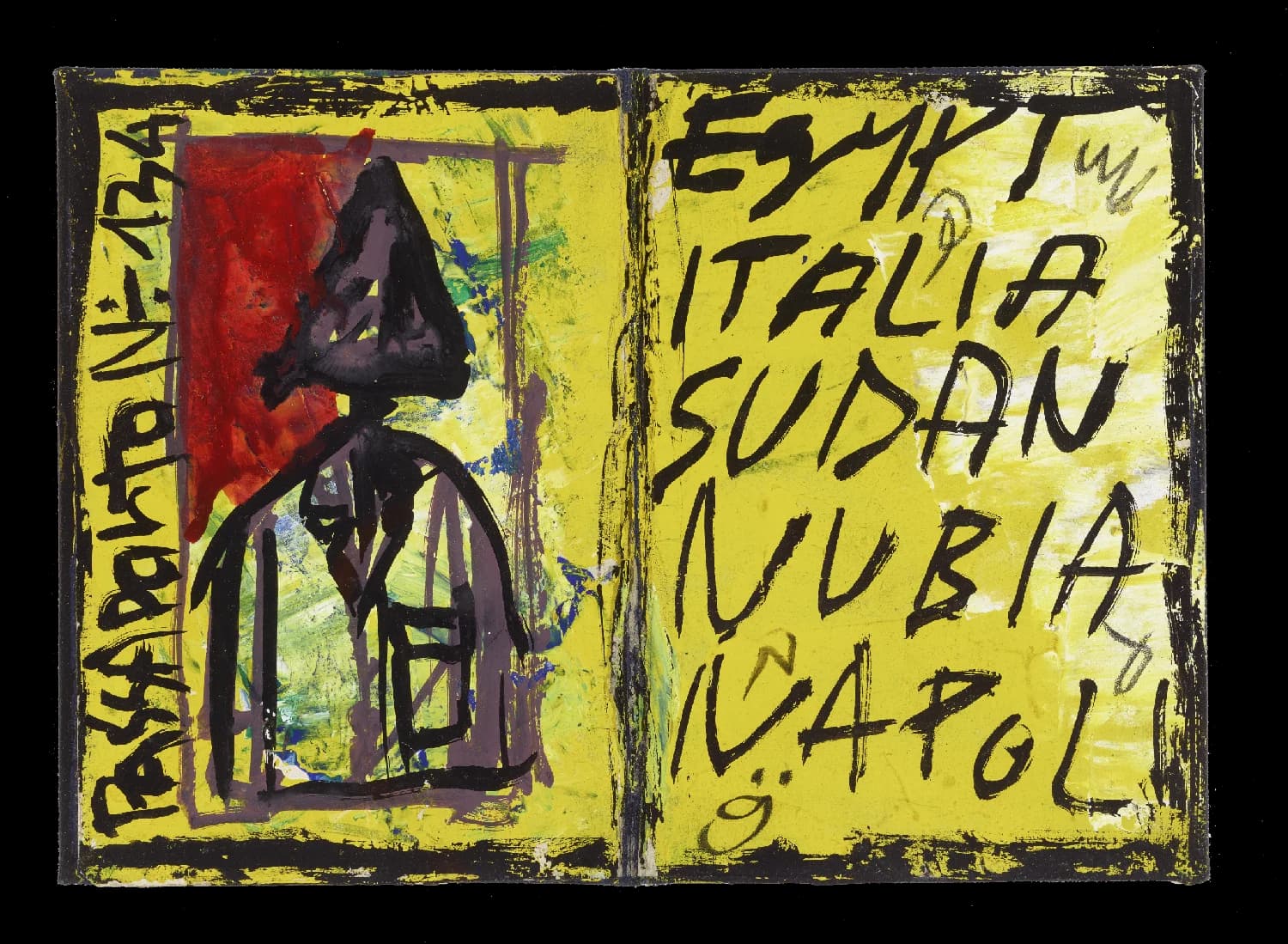
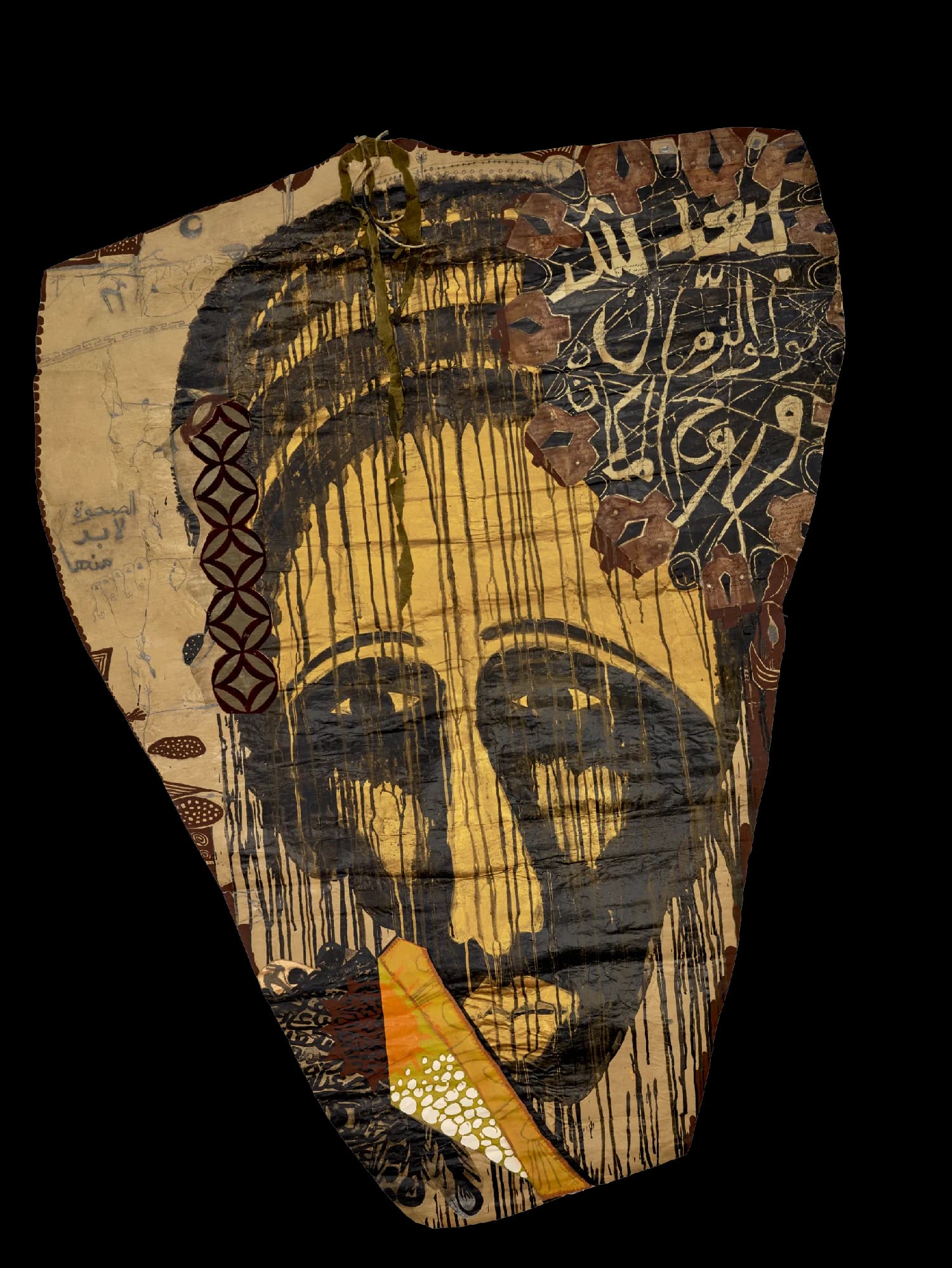
!and the cultures, and people he has experienced along the way. His family are from the region of Nubia, which lies across the Sudan-Egypt border. In 1959, their village was flooded during the building of the Aswan Dam, which resulted in tens of thousands of people being displaced, and 44 Nubian villages submerged, the family resettled in Cairo. Hassan grew up within the Cairene Nubian diaspora, but would frequently return to his ancestral land, or what was then called New Nubia. There he would reconnect with the matriarchal society, spending summers at his grandmothers’ house who, through the Nubian oral tradition, would share stories of their ancestral land.
In his early twenties, Hassan left Cairo, moving briefly to Baghdad, before travelling to Italy on a scholarship to the Naples Art School. Hassan gravitated towards cosmopolitan Naples due in part to its position as the meeting place of the Mediterranean, Africa and Egypt, but also as a site of possibilities. In Naples, Hassan became an important member of the thriving, avant-garde art scene. The Wild Neapolitans whom Hassan exhibited alongside, flourished in opposition to the failing politics, corruption and decay that the city experienced at the time. At that point the Naples art scene centred around galleries such as Lucio Amelio, which became the place to see European and American artists including Andy Warhol, Keith Haring, Cy Twombly and Joseph Beuys, who were all attracted to the revolutionary feel of the city.
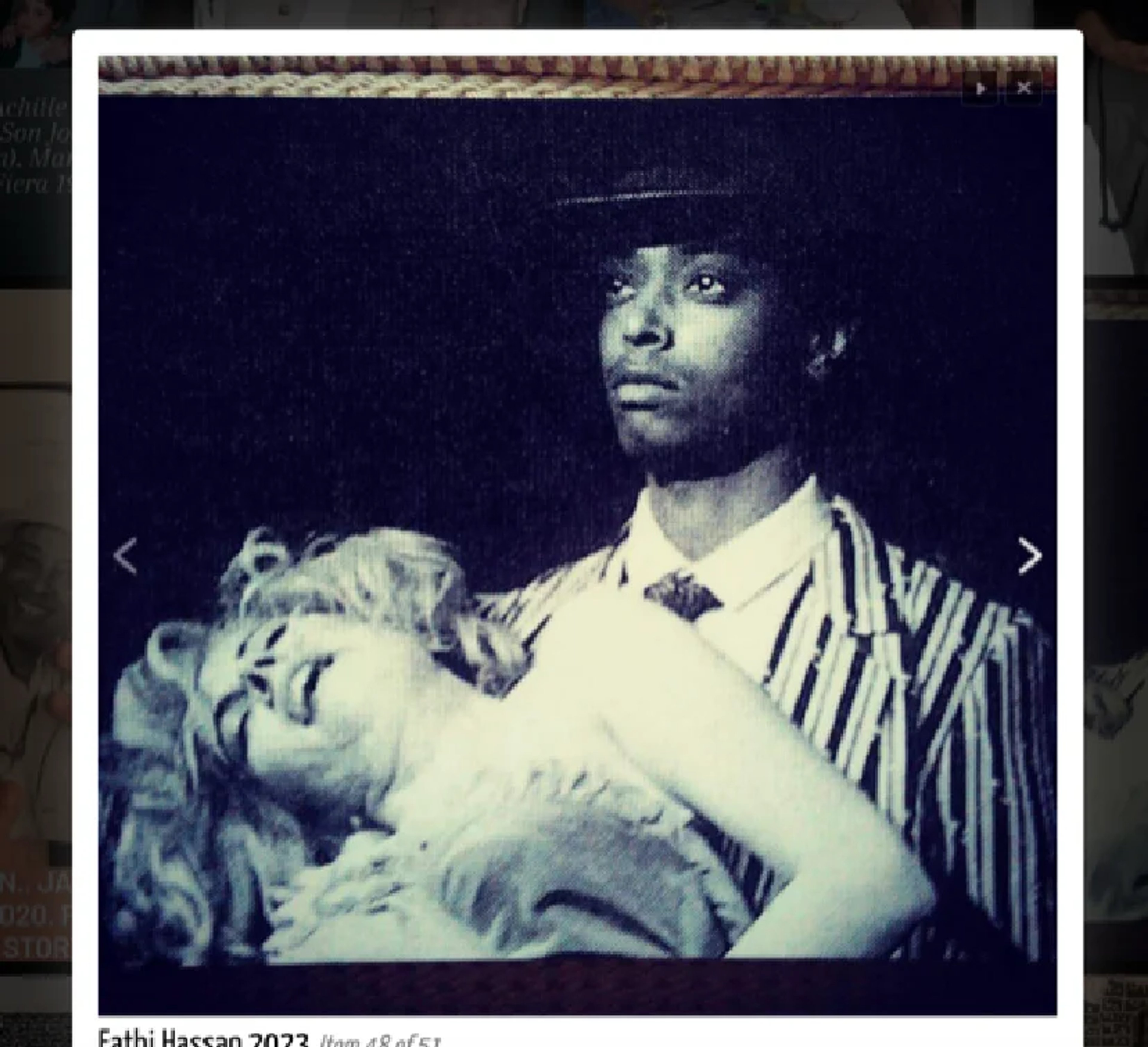
Like Hassan many of these artists frequented Diamond Dogs, the city’s home of progressive house and techno music, which like the avant-garde theatre group Falso Movimento, with whom Hassan collaborated, became an integral part of a thriving contemporary art scene. Hassan was cast in the performance groups experimental take on Othello which used conventional theatrical elements in a newly dynamic way and which Stephen Holden writing for the New York Times (Sept. 11, 1984) described as “a mixed-media collage” which “…uses Verdi (and Shakespeare) as the basis of a chic multimedia vaudeville show.”
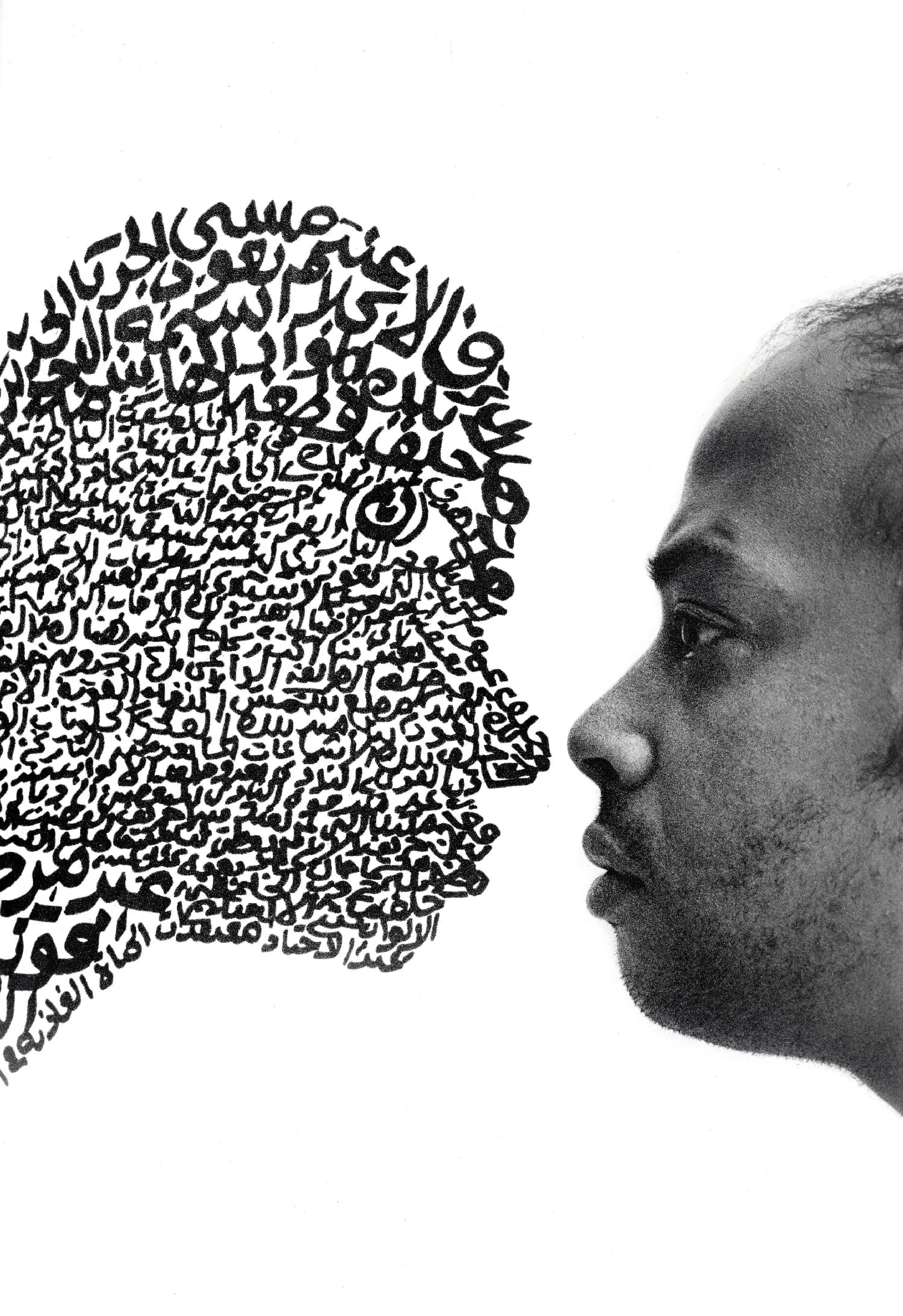
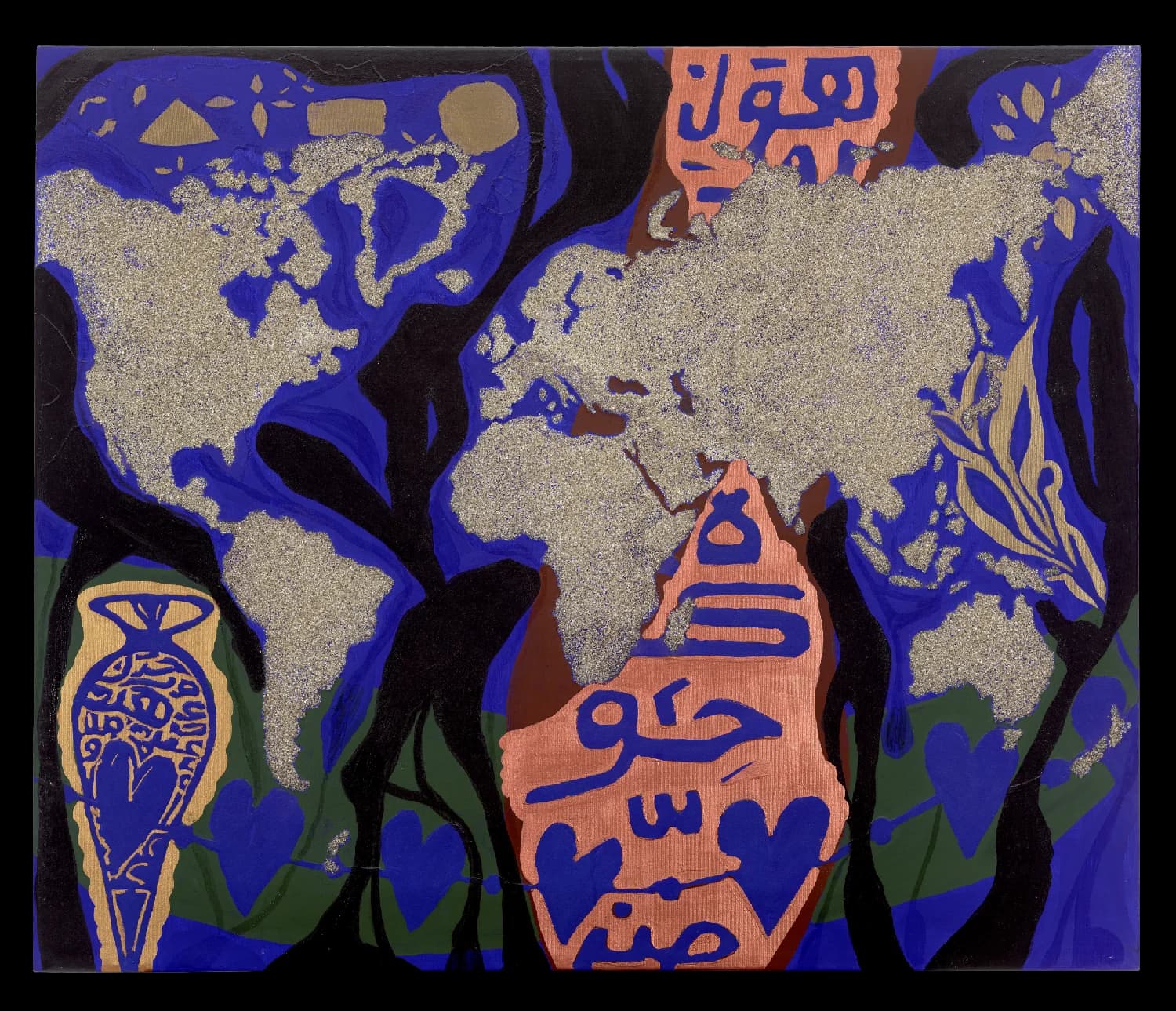
Hassan has carried this proud, and sometimes painful history, with him throughout his life. Today he continues to empathise with the migrant experience through his pluralistic approach to the world; his art practice and his continued exploration of his own identity.