Test image options
Test page for new image options
Small image + text
Heading 2
A small image can hold a surprising amount of significance despite its modest size. It might be a compact photograph, a tiny illustration, or an icon that embodies an idea, feeling, or memory. Such images are often used as concise visual representations to convey a message instantly.
Like in social media posts, app icons, or as subtle decorative elements on a webpage. Though their dimensions are limited, the details they contain can be rich and impactful, making them an essential part of design and communication. Whether used to capture a brief moment or as an artistic symbol, small images play an outsized role in influencing how we perceive content and interact with the world around us.
Medium image + text
A medium-sized image strikes a balance between detail and subtlety, making it perfect for capturing attention without overwhelming the viewer. Such images are common in blog posts, digital galleries, and printed media, where they enhance narratives and provide context. With enough space to display vivid details, a medium image can showcase expressions in a portrait, intricate textures in artwork, or clear visual data in an infographic.
Unlike smaller images, medium images allow for more storytelling potential. They can highlight emotions, settings, and finer elements that contribute to a complete visual experience. Whether used to enrich an article or as the main visual on a webpage, medium images blend detail with accessibility, enhancing content with both clarity and artistic appeal.
Large image + text
A large image commands attention and often becomes the focal point of any visual presentation. These images are typically found in high-impact areas such as website hero sections, billboards, posters, and large print publications. With expansive dimensions, a large image can capture intricate details, vibrant colors, and dynamic compositions, allowing viewers to immerse themselves fully in the scene or subject it portrays.
The space a large image occupies offers an opportunity for powerful storytelling. It can showcase sweeping landscapes, detailed portraits, or complex illustrations that convey depth and emotion. Large images are particularly effective in evoking a sense of scale and grandeur, drawing viewers in and creating a lasting impression. The presence of such images can transform a digital or physical space, adding drama, excitement, or a contemplative atmosphere.
Whether used as a stunning background, an engaging focal point, or a work of art, large images have the ability to set the tone and create impactful experiences that resonate with audiences.
An extra large image commands even more attention and often becomes the focal point of any visual presentation. These images are typically found in high-impact areas such as website hero sections, billboards, posters, and large print publications. With expansive dimensions, a large image can capture intricate details, vibrant colors, and dynamic compositions, allowing viewers to immerse themselves fully in the scene or subject it portrays.
The space an extra large image occupies offers an opportunity for powerful storytelling. It can showcase sweeping landscapes, detailed portraits, or complex illustrations that convey depth and emotion. Large images are particularly effective in evoking a sense of scale and grandeur, drawing viewers in and creating a lasting impression. The presence of such images can transform a digital or physical space, adding drama, excitement, or a contemplative atmosphere.
Whether used as a stunning background, an engaging focal point, or a work of art, large images have the ability to set the tone and create impactful experiences that resonate with audiences.
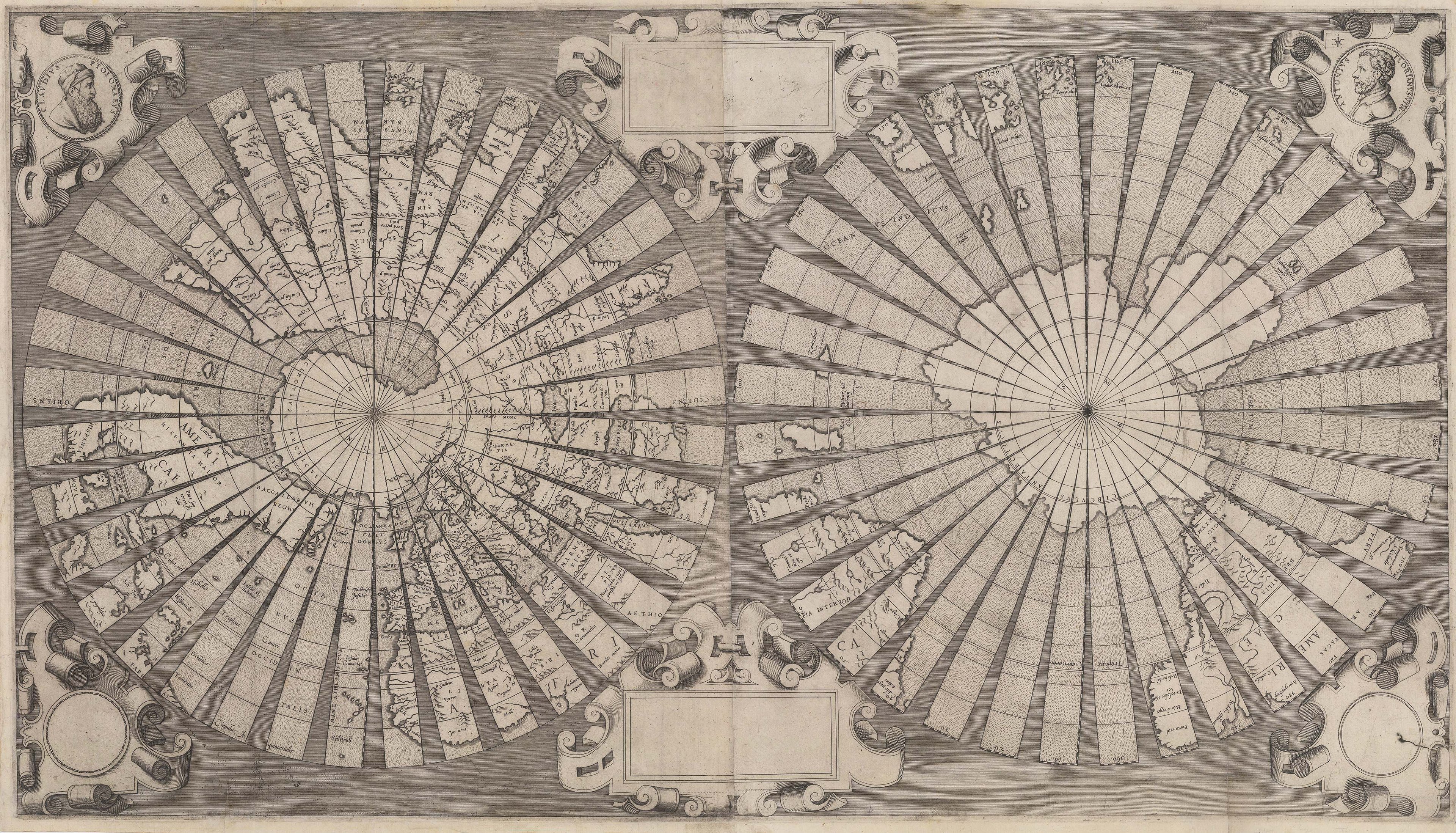
Image left + text
An image placed on the left with accompanying text is a classic and effective layout in design and content presentation. This format provides a visually appealing way to engage readers, creating a balanced composition that leads the eye naturally from the image to the text. By positioning the image on the left, the visual element acts as the starting point, drawing immediate attention and setting the context for the content that follows.
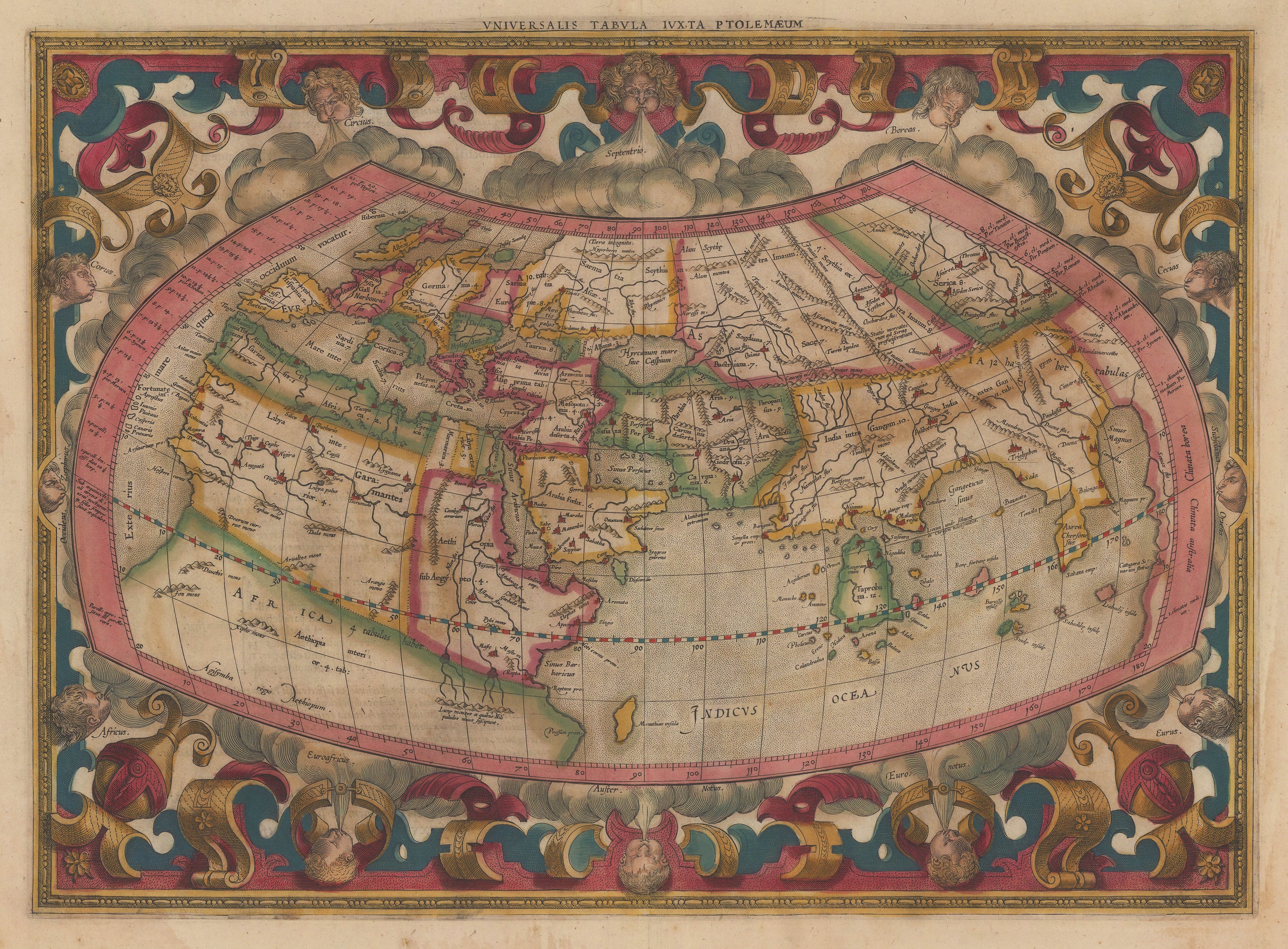
Image right + text
Super-long-long very long title can be written down if you want
An image positioned on the right with text on the left creates a modern and dynamic layout that subtly challenges the typical reading flow. This arrangement can add visual intrigue and energy to a design, making it stand out. The format works well in various media such as websites, newsletters, blogs, and promotional material, giving content a contemporary touch.
Super-long-long very long title can be written down if you want
An image positioned on the right with text on the left creates a modern and dynamic layout that subtly challenges the typical reading flow. This arrangement can add visual intrigue and energy to a design, making it stand out. The format works well in various media such as websites, newsletters, blogs, and promotional material, giving content a contemporary touch.
An image positioned on the right with text on the left creates a modern and dynamic layout that subtly challenges the typical reading flow. This arrangement can add visual intrigue and energy to a design, making it stand out. The format works well in various media such as websites, newsletters, blogs, and promotional material, giving content a contemporary touch.
Super-long-long very long title can be written down if you want
An image positioned on the right with text on the left creates a modern and dynamic layout that subtly challenges the typical reading flow. This arrangement can add visual intrigue and energy to a design, making it stand out. The format works well in various media such as websites, newsletters, blogs, and promotional material, giving content a contemporary touch.
Super-long-long very long title can be written down if you want
An image positioned on the right with text on the left creates a modern and dynamic layout that subtly challenges the typical reading flow. This arrangement can add visual intrigue and energy to a design, making it stand out. The format works well in various media such as websites, newsletters, blogs, and promotional material, giving content a contemporary touch.
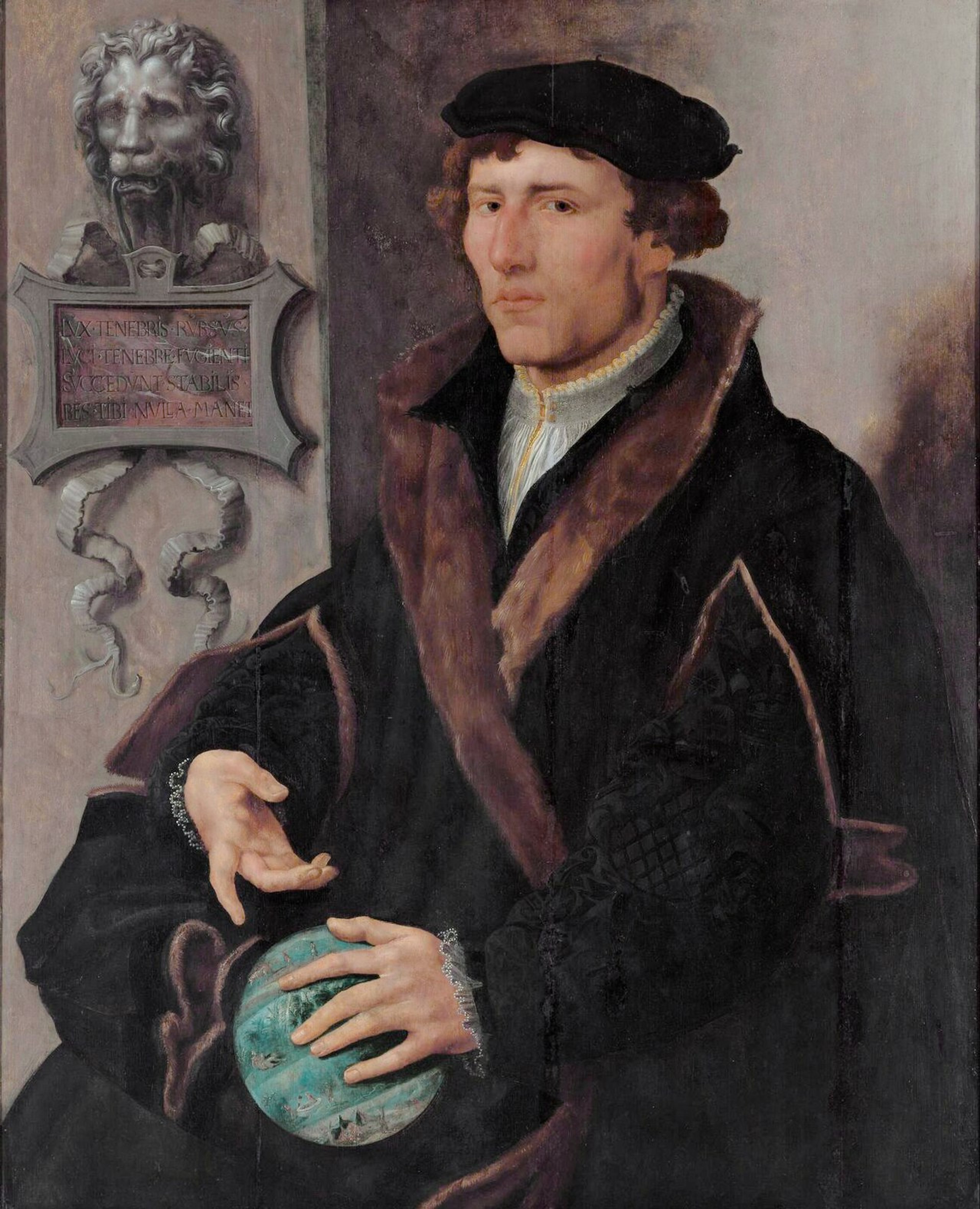
Column 1
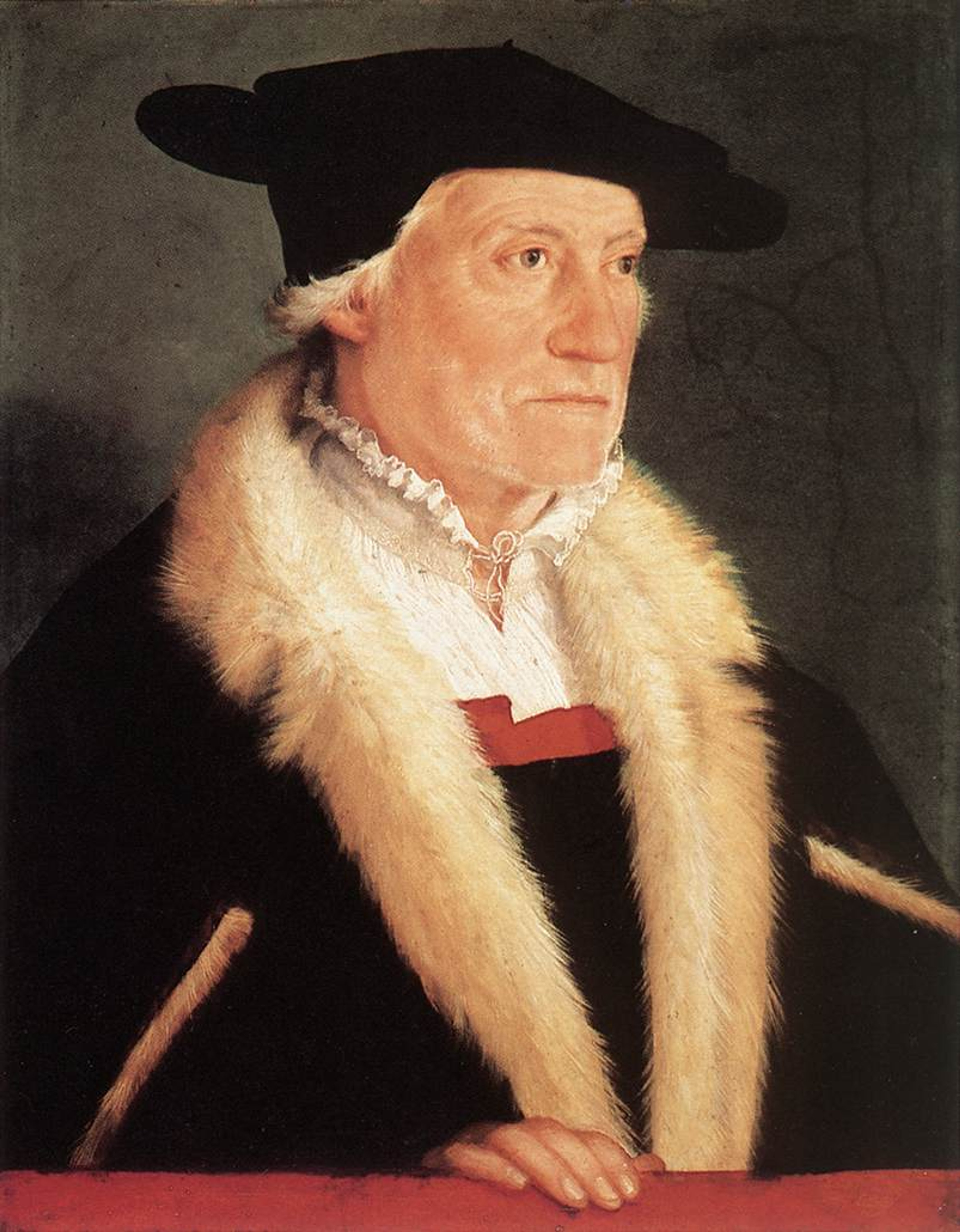
Column 2
Two image column
A two-image column layout is a visually striking way to display content side by side, creating symmetry and balance. This format is commonly used in photo galleries, portfolio showcases, magazine spreads, and website sections that need to emphasize visual storytelling. By presenting images in two columns, designers can create a dynamic and engaging viewing experience, allowing audiences to compare or relate the images directly.
This layout can be used to highlight similarities, contrasts, or complementary themes between the images. For instance, in a travel blog, a two-column design might show different destinations or two perspectives of the same scene. In a portfolio, it could present works that share a theme or display the evolution of a project.
Two-image columns offer flexibility in terms of size and spacing, which can be adjusted to suit different design needs. Narrow spacing gives a seamless, unified look, while wider gaps can create a more open and modern aesthetic. This arrangement maximizes screen space efficiently, making it ideal for content that needs to be both visually appealing and informative.
Overall, using a two-image column layout can break up long stretches of text and add visual appeal, guiding viewers’ attention and providing a structured yet engaging way to showcase multiple images.
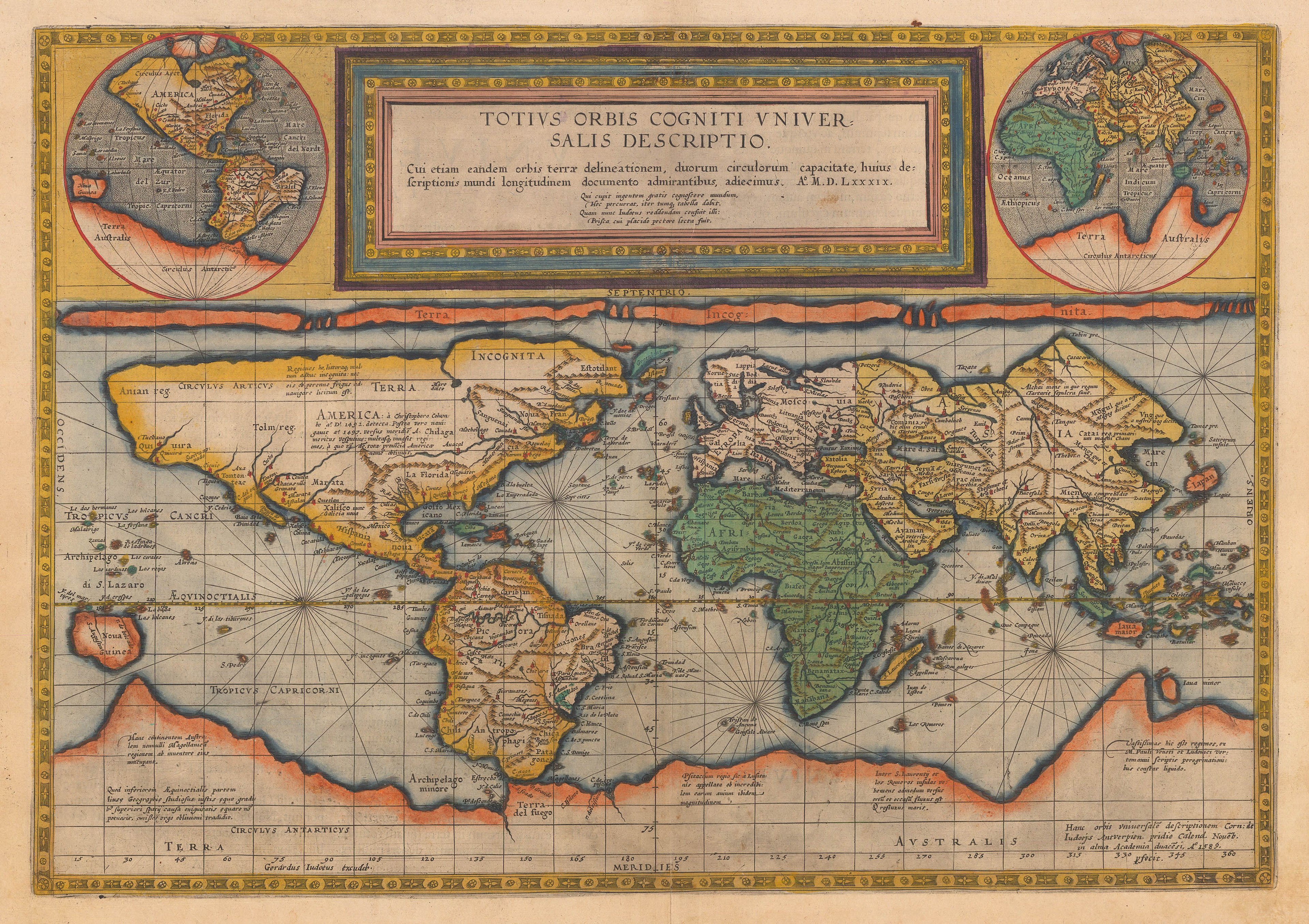
Column 1 (large)
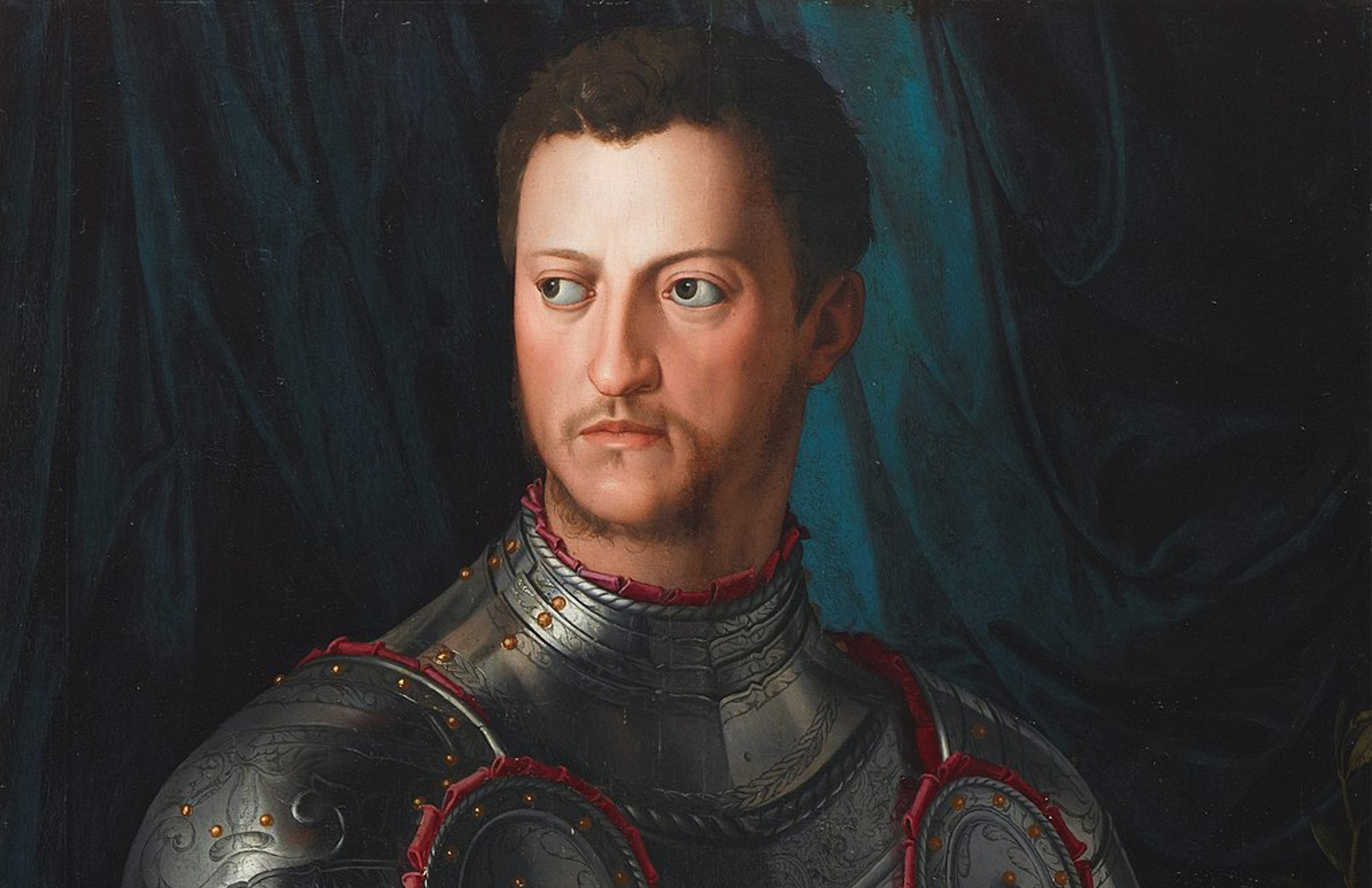
Column 2 (large)
A two-column layout featuring large images creates a powerful and immersive experience that immediately grabs attention. This design choice is ideal for showcasing high-resolution visuals, such as professional photography, art portfolios, or striking product images. Large images positioned side by side can create a gallery-like effect, allowing viewers to appreciate the intricate details, vivid colors, and composition of each image.
This type of layout works particularly well on wide screens, where the images can be displayed at their full potential without feeling cramped. It can be used effectively in fashion lookbooks, architectural showcases, or any content that thrives on visual storytelling. The side-by-side format allows viewers to draw comparisons, see different perspectives, or enjoy a cohesive visual theme that ties the images together.
Spacing between the images can be adjusted to create different moods: minimal spacing creates a seamless, continuous look, while larger spacing provides a more airy and independent presentation for each image. The impact of two large image columns is that it emphasizes the importance of the visuals, placing them front and center and inviting viewers to explore the content in detail.
Using two large image columns is ideal for conveying a strong, high-quality visual presence. It demonstrates confidence in the content, showcasing it as the focal point and setting the tone for a bold, aesthetically pleasing presentation.
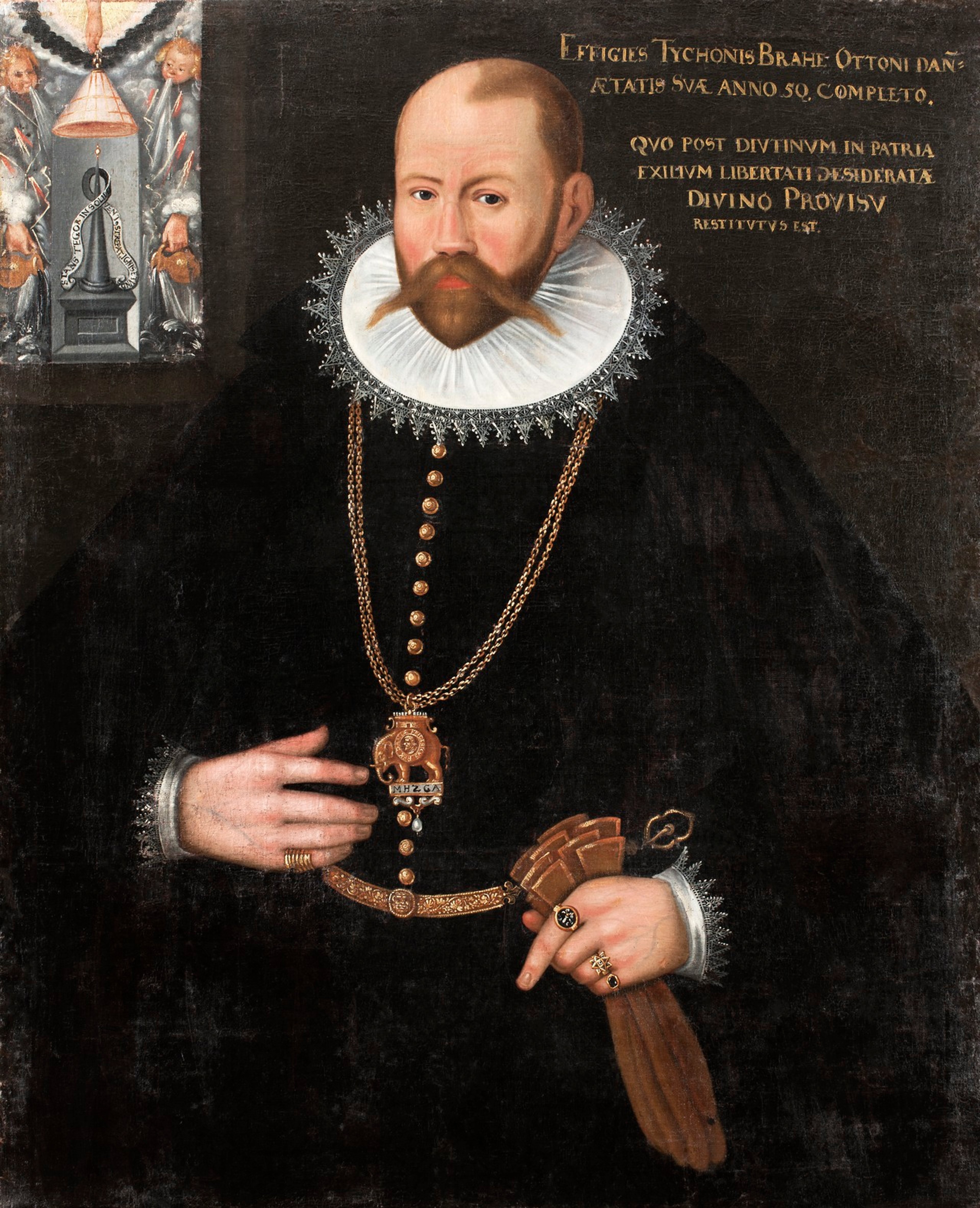
Same size (image 1)
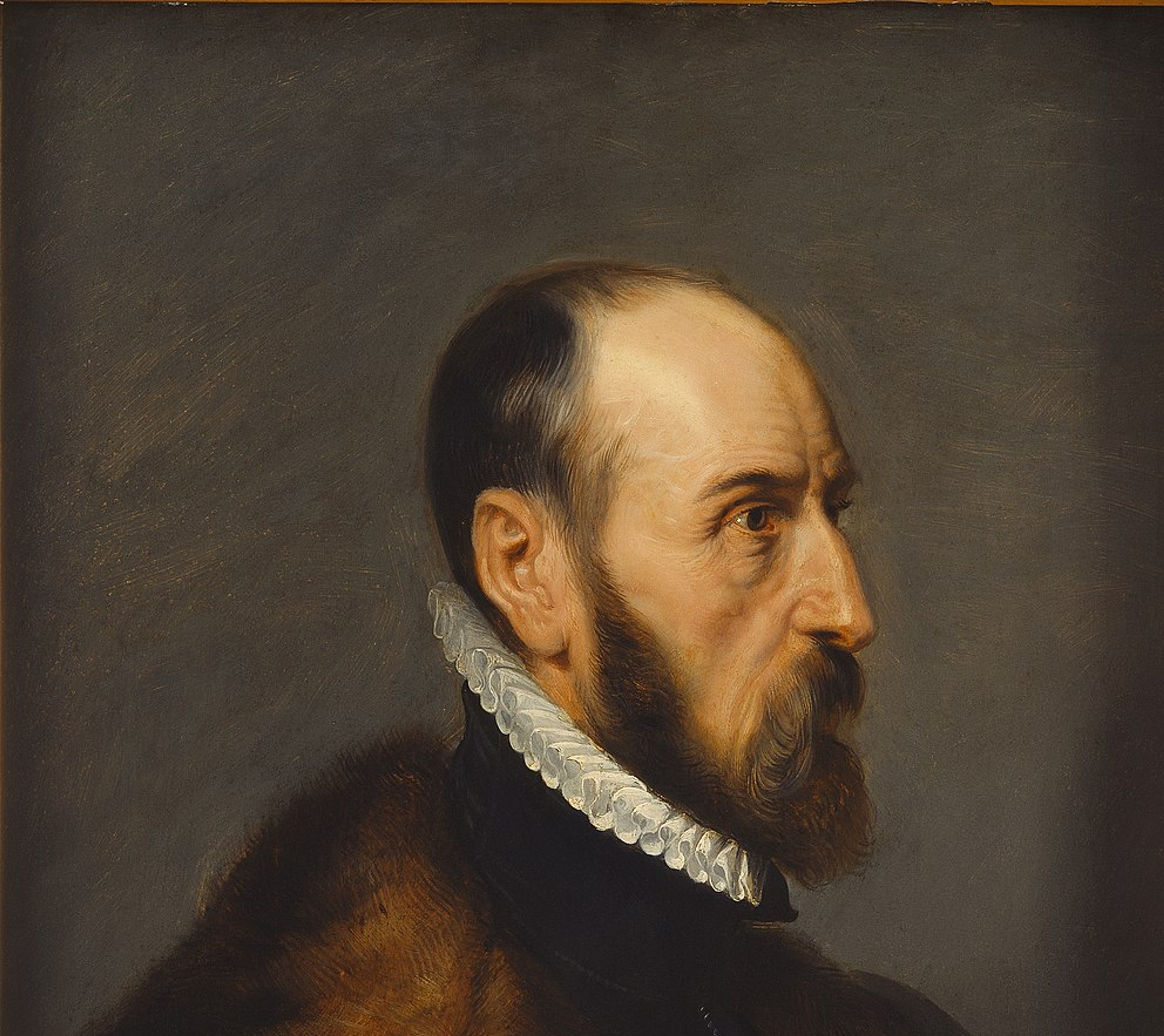
Same size (image 2)
Title
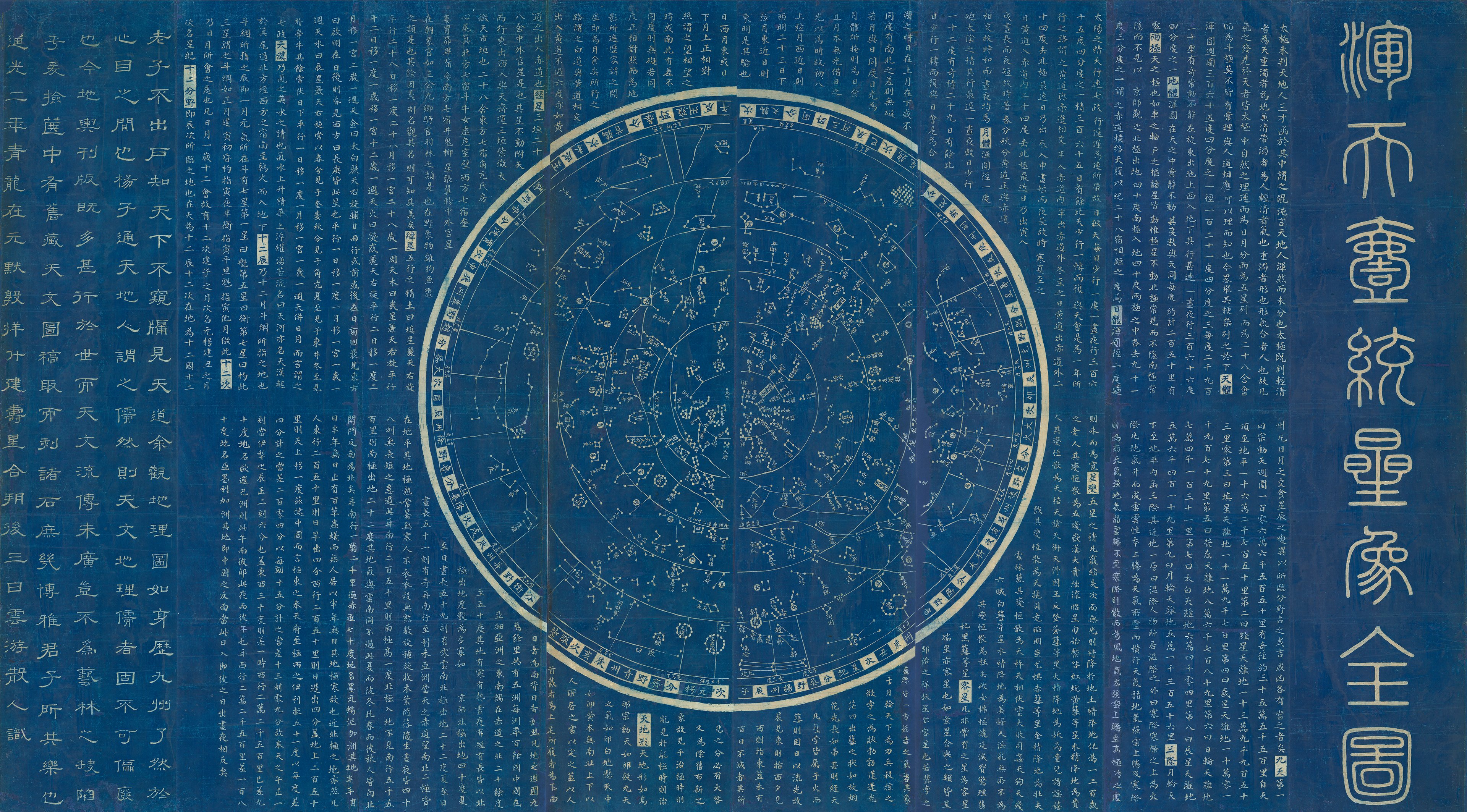
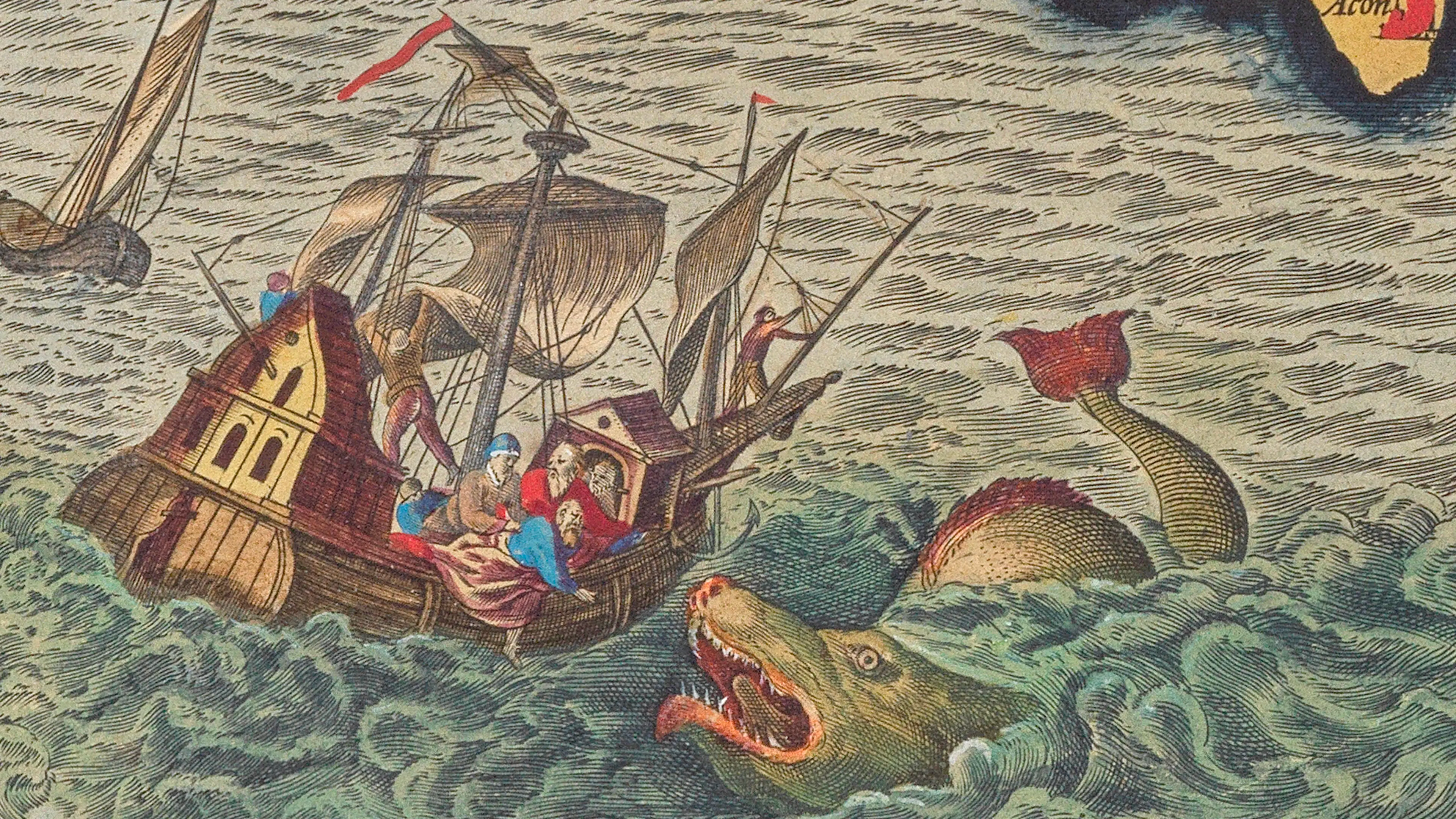
Using two images of the same size in a design layout ensures a clean and balanced visual presentation. This approach is effective for maintaining uniformity, creating a sense of order, and enhancing the overall aesthetic appeal of the content. The symmetrical layout of equally sized images can be used to compare items, showcase related content, or provide a cohesive visual narrative.
This format is popular in photo galleries, catalogs, websites, and marketing materials where consistency is key. When two images have the same dimensions, it communicates a polished and professional look that draws the viewer’s eye evenly across both elements. The symmetry reinforces visual harmony, making it easier for the audience to take in the images without distraction.
Matching image sizes also help with layout predictability, making it simple to design around them and incorporate text, icons, or other elements if needed. It ensures that the focus stays on the content of the images themselves rather than on the differences in their dimensions. The consistent sizing contributes to a seamless user experience, especially when viewing content on responsive designs where images need to adjust proportionally across different screen sizes.
Overall, using two images with the same size brings a sense of unity and elegance to the design, allowing each image to stand out equally while maintaining an organized and visually appealing format.
Text test
Text tex text
small image
without text
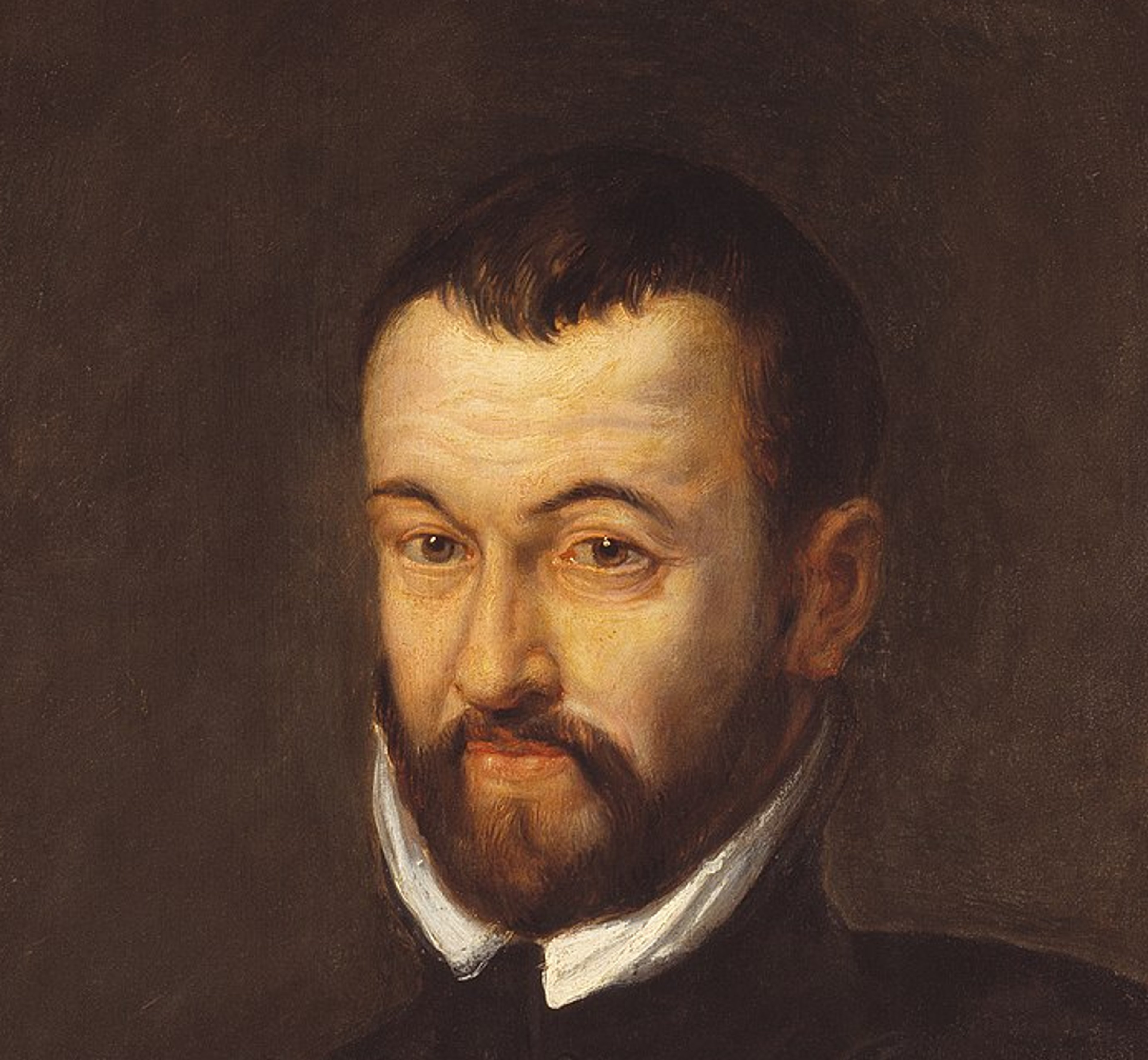
In the misty realm of Veloria, nestled between towering peaks and shadowy forests, there was a name whispered only in hushed tones—Adaque Nientlomp. Legends spoke of him as a figure shrouded in mystery, a traveler whose very presence could bend fate itself.
Adaque was born during the Crimson Eclipse, an event that happened once every thousand years when the two moons aligned in a spectacle of red light. From the moment he drew his first breath, strange things began to happen in the village of Eldermar. Crops grew in abundance overnight, and streams that had long been dry bubbled with fresh, pure water.

medium image
met een tekstje lalalala
